 +1 (409) 247-5496
 +61 468 036 171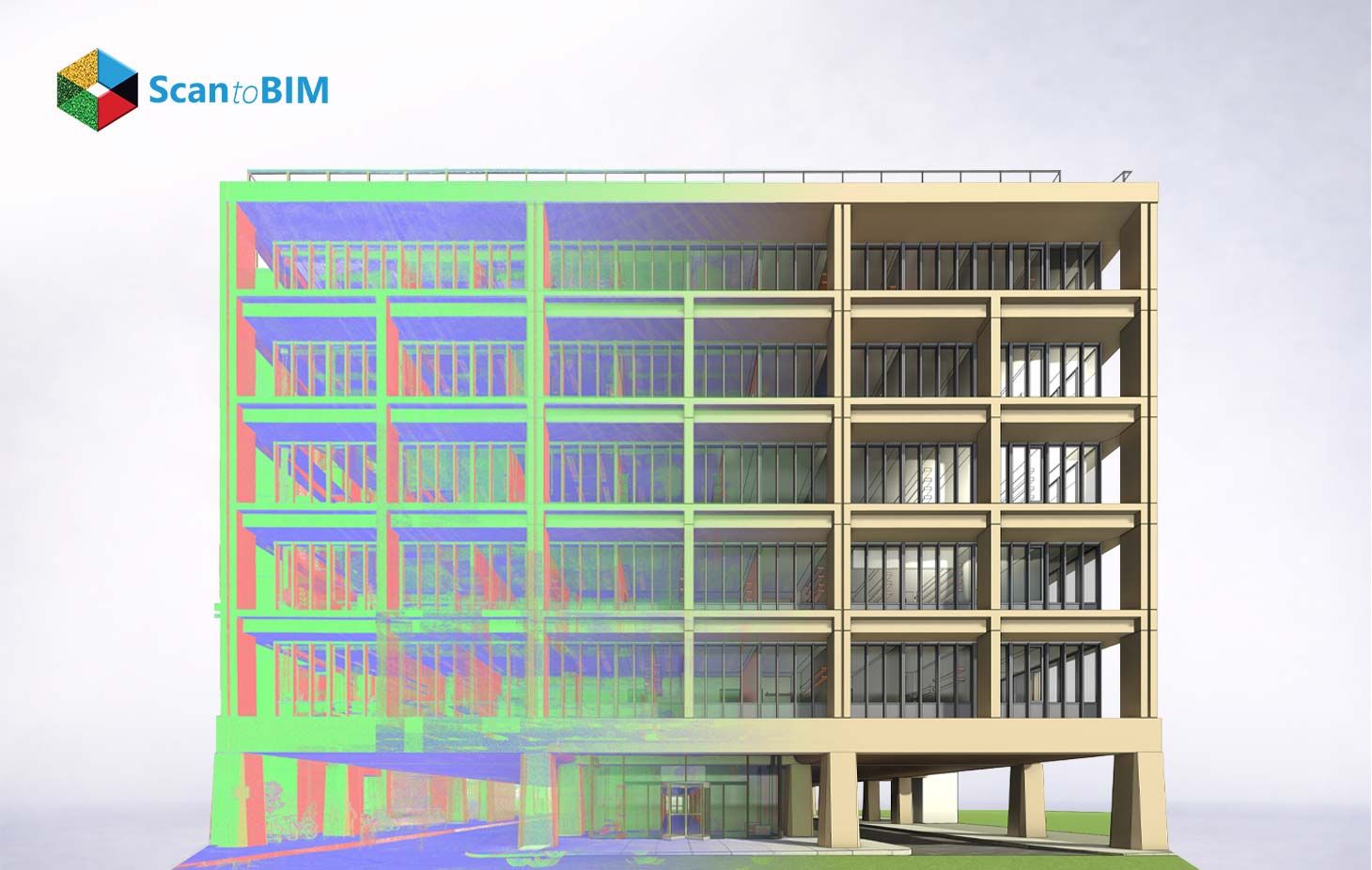
New York City's construction industry recorded $68.2 billion in total spending in 2023. Housing demand, infrastructure investment, and sustainability mandates pushed this figure to historic levels. The AEC industry has long struggled with cost overruns, delays, low productivity and coordination gaps across complex urban job sites. Traditional methods that depend on 2D drawings and manual surveys produce inaccuracies, schedule delays, and budget failures throughout project execution. Building Information Modeling introduces a highly detailed 3D process that merges into one collaborative environment. The industry is shifting toward digital construction workflows, integrated project delivery, and lifecycle management where BIM acts as the central data platform.
LiDAR to BIM extends this digital foundation by capturing physical space through laser scanning and converting them into accurate, intelligent models. This technology eliminates guesswork, outdated documentation, and coordination gaps that traditionally slow NYC projects. Projects that operate without these tools face design conflicts, inaccurate documentation, and mounting inefficiencies that cascade across all project phases. In a city where speed, coordination, and accuracy define project success. These workflows form the operational standard for every competitive construction team.
Why New York City Projects Are More Complex
NYC construction projects carry uniquely layered complexity arising from urban density, aging infrastructure, strict regulatory frameworks, and multi-stakeholder involvement. The city blends modern skyscrapers, historic buildings, underground utilities and active transit systems. All require careful coordination during construction. Teams must simultaneously satisfy Local Law 97, zoning laws, environmental regulations, energy performance standards and carbon reduction goals. Large-scale developments involve multiple stakeholders. All require coordinated planning across overlapping scopes.
Regulatory Complexity
Local Law 97, zoning mandates, landmark preservation rules, and sustainability standards apply simultaneously on most projects.
Aging Infrastructure
Pre-BIM buildings, outdated utilities and undocumented structural systems create planning gaps for every new scope.
Multi-Stakeholder Coordination
Government agencies, community boards, design teams and multiple contractor tiers all require coordinated, real-time information sharing.
Labor and Cost Pressures
High labor costs, limited material availability and skilled worker shortages add further pressure to budgets and schedules.
Infrastructure Interdependencies
Rail tunnels, airport expansions and subway upgrades involve overlapping systems across multiple agency scopes.
Traditional workflows fail to simulate, coordinate and manage this level of complexity. They produce inefficiencies and conflicts that cost NYC projects time and capital. BIM introduces a centralized digital model that unifies all disciplines and supports better planning across all project stakeholders. The scan to BIM NYC construction approach addresses this layered complexity at every stage of the project lifecycle.

Limited Space and Dense Urban Environments
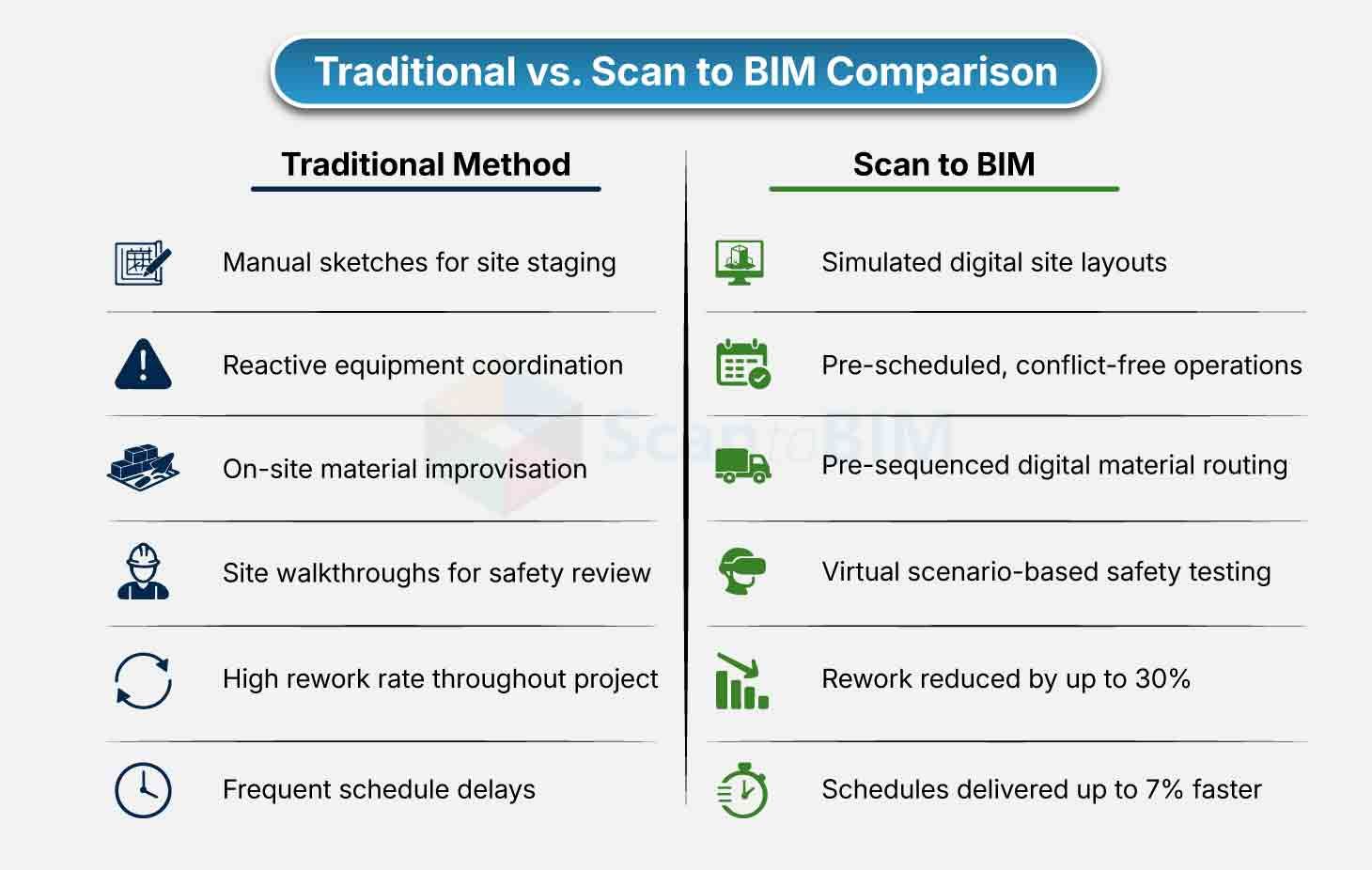
NYC construction sites operate in extremely constrained spaces. Where staging areas, equipment placement and material storage compete for limited room. Crane operations, concrete pours and material deliveries require careful coordination within tight urban blocks. Minor construction planning errors create site congestion, safety risks and costly schedule delays that cascade across project phases.
BIM allows teams to create coordinated all models that simulate the full construction process before ground breaks. 4D BIM scheduling enables visualization of timelines, material flow, and construction sequencing well in advance of any physical work. Digital models support scenario testing for equipment placement, material routing, and access planning across constrained site conditions. This proactive digital approach reduces site congestion, improves worker safety, and supports efficient execution across NYC job sites. The scan to bim challenges new york city teams face include spatial limitations that 4D planning tools directly address.
Challenges in Existing Building Documentation
Many NYC buildings predate BIM adoption entirely and carry no accurate or current as-built records. Existing documentation often consists of 2D CAD drawings that are outdated, incomplete or missing critical structural and MEP details. Differences between as-designed and as-built conditions create serious risks during renovation and retrofit planning across complex risers and aging infrastructure systems.
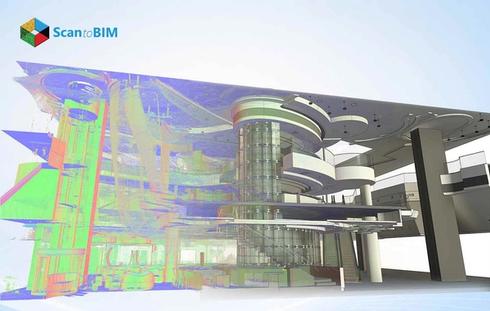
As-built BIM modeling uses laser scanning, LiDAR, and photogrammetry to capture physical building conditions with millimeter accuracy. These technologies generate point clouds containing millions of data points that represent the exact geometry of any structure. Every riser, mechanical chase, and aging system receives a verified digital record through BIM workflows.
This precise digital foundation eliminates documentation uncertainties and supports accurate planning, design, and construction decisions throughout every project phase. Manual surveys that once consumed weeks of labor time are now completed in hours through scan capture methods. Verified as-built records form the most trusted starting point for every subsequent design and coordination decision.
MEP Coordination Issues in High-Rise Buildings
High-rise buildings in NYC require complex MEPF systems to fit within limited ceiling voids and shaft spaces. Traditional coordination methods frequently miss conflicts between building elements such as structural beams, HVAC, pipes and electrical conduit. These clashes produce costly rework, schedule delays and inefficiencies that accumulate throughout the construction phase.
MEP scan to BIM enables automated clash detection, identifying system conflicts during the design phase before any site work begins. Coordinated BIM models allow teams to optimize routing of all MEP components within constrained floor to floor heights and service corridors. Scan data anchors every MEP design to actual site conditions, removing installation errors and field coordination failures. BIM supports prefabrication of MEP assemblies, improving installation speed and reducing on-site labor requirements across all building systems.
Renovation and Retrofit Challenges in NYC
A large share of NYC's building stock includes aging and historic structures requiring renovation or adaptive reuse. Projects involving loft conversions, commercial repositioning, and heritage restoration face hidden structural elements, irregular geometries, and incomplete original documentation. These conditions compound MEP coordination challenges and create serious renovation planning nyc complexities that traditional methods address poorly.
Scan to BIM renovation NYC provides accurate as-built models that support precise planning and design for these challenging projects. It captures detailed architectural elements for heritage preservation at any required Level of Detail. The scan workflow supports structural analysis, space planning, and adoption of modern systems into existing building fabric. Scan to BIM for renovation projects New York resolves documentation gaps and removes assumptions from the entire design process.
Renovation projects must also meet modern building codes, sustainability requirements and safety standards concurrently. This approach reduces risks from unexpected site conditions and design conflicts across all renovation and adaptive reuse project types. Teams that apply Reality Capture to BIM workflows on historic and retrofit projects consistently report fewer surprises during construction execution.
Accuracy and Design Validation Issues
Inaccurate measurements and incomplete data frequently produce design errors and construction conflicts on NYC job sites. Traditional workflows lack the ability to validate designs against real-world conditions before construction begins. Change orders, material waste, and project delays result from this validation gap and directly erode project budgets and stakeholder confidence.
The Point Cloud to BIM process ensures all models reflect real-world geometry rather than aging drawings or assumptions. BIM enables simulation, visualization, and performance analysis of designs before any physical work begins on site. Early issue detection through this workflow enables proactive problem solving and improves overall project quality across all project phases.
How Scan to BIM Solves Construction Challenges
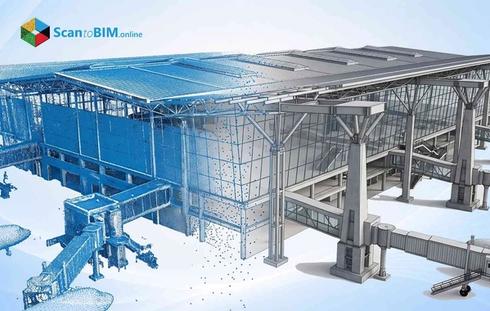
Scan to BIM bridges the physical construction site and the intelligent digital model through a structured, repeatable workflow. The process captures millions of data points using LiDAR scanners, generates point clouds, aligns scan data across multiple setups and converts everything into intelligent BIM models. These models contain geometry, materials, MEP systems, and spatial relationships that every project discipline uses simultaneously from a single shared source.
Clash detection BIM workflows become achievable across all disciplines from this unified dataset. The result is improved accuracy, efficiency, and collaboration across all project teams and phases. By providing a single source of truth, this approach supports stronger decision making at every stage of NYC construction.
Benefits of Scan to BIM for NYC Construction
These outcomes reflect the broader performance profile of Point Cloud to BIM across NYC construction projects. Teams that adopt BIM model workflows gain measurable advantages compared to those still dependent on manual documentation methods.
| Benefit Category | Performance Metric |
|---|---|
| Measurement Accuracy | ±1mm |
| Rework Reduction | Up to 30% |
| Cost Estimation Accuracy | Within 3% of actual cost |
| Cost Estimation Speed | Up to 80% faster |
| Clash Detection Cost Savings | Up to 10% of project cost |
| Project Time Reduction | Up to 7% |
| Change Order Reduction | Up to 40% |
| RFI Volume Reduction | Up to 38% |
| Prefabrication Efficiency | Significant labor savings |
| Facility Lifecycle Integration | Digital twin ready |
The scan to BIM cost for NYC projects varies by building size, scan complexity, and required Level of Detail. Investment in this technology consistently delivers returns through rework savings, schedule efficiency, and improved facility management data. Organizations that adopt scan to model workflows position themselves to deliver smarter, faster, and more cost-effective projects across all NYC boroughs.
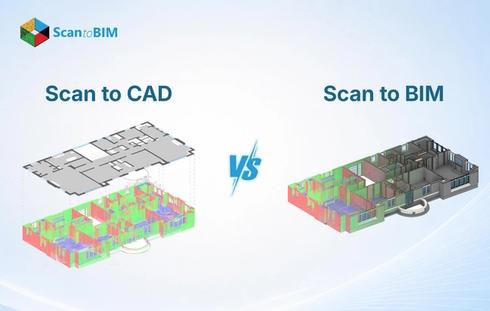
Scan to BIM vs.Traditional Survey NYC Construction Performance
| Performance Area | Traditional Survey | Scan to BIM |
|---|---|---|
| Documentation Accuracy | ±10 to 50mm | ±1mm |
| Time for As-Built Capture | Days to weeks | Hours |
| Clash Detection Timing | Post-construction discovery | Pre-construction resolution |
| Change Order Rate | High throughout project | Reduced up to 40% |
| RFI Volume | High and recurring | Reduced up to 38% |
| Renovation Risk Level | High due to assumptions | Low with verified data |
| MEP Coordination Quality | Reactive and conflict-prone | Coordinated and prefab-ready |
| Facility Management Data | Minimal or absent | Full digital twin capability |
Applications in Manhattan, Brooklyn, and Queens Projects
Reality Capture to BIM delivers measurable results across all NYC boroughs through a broad range of project types and scales. Manhattan, Brooklyn, and Queens each present distinct construction environments that produce strong outcomes from 3D BIM workflows.
- Manhattan
High-rise construction, office to residential conversions, and infrastructure redevelopments use scan data for as-built documentation, MEP coordination and permit approval support.
- Brooklyn
Warehouse adaptive reuse, historic loft renovations and neighborhood scale developments apply scan workflows for accurate renovation planning and heritage documentation.
- Queens
Residential developments, industrial facilities, public infrastructure projects, and transit expansions all produce verified as-built models and effective clash detection results.
- Transportation and Public Facilities
Airports, subway stations, hospitals, and public buildings across all boroughs use Laser scan to As-built model workflows for asset documentation and facility management planning.
- Large Scale Infrastructure
Overlapping systems in tunnels, bridges and transit corridors require the spatial accuracy that laser scanning and intelligent BIM models provide across multi-agency scopes.
These applications improve project efficiency, accuracy, stakeholder communication, and long term asset management outcomes across the city. As digital transformation continues to reshape the AEC industry point cloud to model workflows will define the competitive standard for NYC construction across every borough and project type.
Best Practices for Using Scan to BIM in NYC
Successful scan to BIM execution in NYC requires careful planning, qualified professionals, and structured quality control at every stage. Project teams that follow established workflows achieve the highest accuracy and the most useful deliverables from their scan data.
- Define the BIM Purpose First
Clarify whether the model targets design, renovation, or facility management before scanning begins. This decision shapes every LOD and data requirement downstream.
- Select Appropriate Technology
Match scanning hardware and BIM software to the project's size, complexity, and Level of Detail requirements before mobilizing field crews.
- Calibrate Equipment Before Every Scan
Verify scan registration accuracy and calibrate all equipment before processing begins to avoid compounding errors across large capture areas.
- Adopt Clear Project Standards
Set LOD classifications, naming conventions, and file management protocols from project kickoff to support consistent deliverables.
- Use Cloud Platforms for Collaboration
Deploy cloud-based data management tools to give all stakeholders real-time model access and accelerate coordination across distributed teams.
- Apply Quality Control at Every Stage
Review data at scanning, modeling, and validation stages to detect and resolve issues before they reach downstream disciplines.
- Partner with Specialist BIM Teams
Work with experienced BIM professionals or outsourcing partners for complex high-rise, historic, or multi-system projects.
- Plan for Long-Term Model Use
Design deliverables for facility management, digital twin development, and ongoing building operations from the very first scan session.
Teams that follow these practices consistently achieve higher scan accuracy, fewer model errors, and more actionable deliverables. Structured workflows transform raw scan data into a project-long asset that supports every phase from design through operations.
Conclusion
New York City's construction environment demands accuracy, efficiency, and coordinated execution across every project phase and discipline. Scan to BIM, combined with structured BIM workflows, transforms construction from a reactive process into a proactive, data-centered approach. Teams that adopt this technology improve documentation accuracy, reduce rework, accelerate schedules, and deliver stronger project outcomes across Manhattan, Brooklyn, Queens, and beyond.
The data consistently shows that organizations applying scan to BIM workflows see fewer change orders, lower RFI volumes, and faster project delivery on complex urban projects. As digital transformation continues to reshape NYC's AEC industry, scan to model execution will define the standard for competitive, high-quality, and cost-effective urban construction.